title
 

Volume 2  


Between Nature and Culture:
After the Continental-Analytic Divide

   
Thomas Jocher, Dramaturga

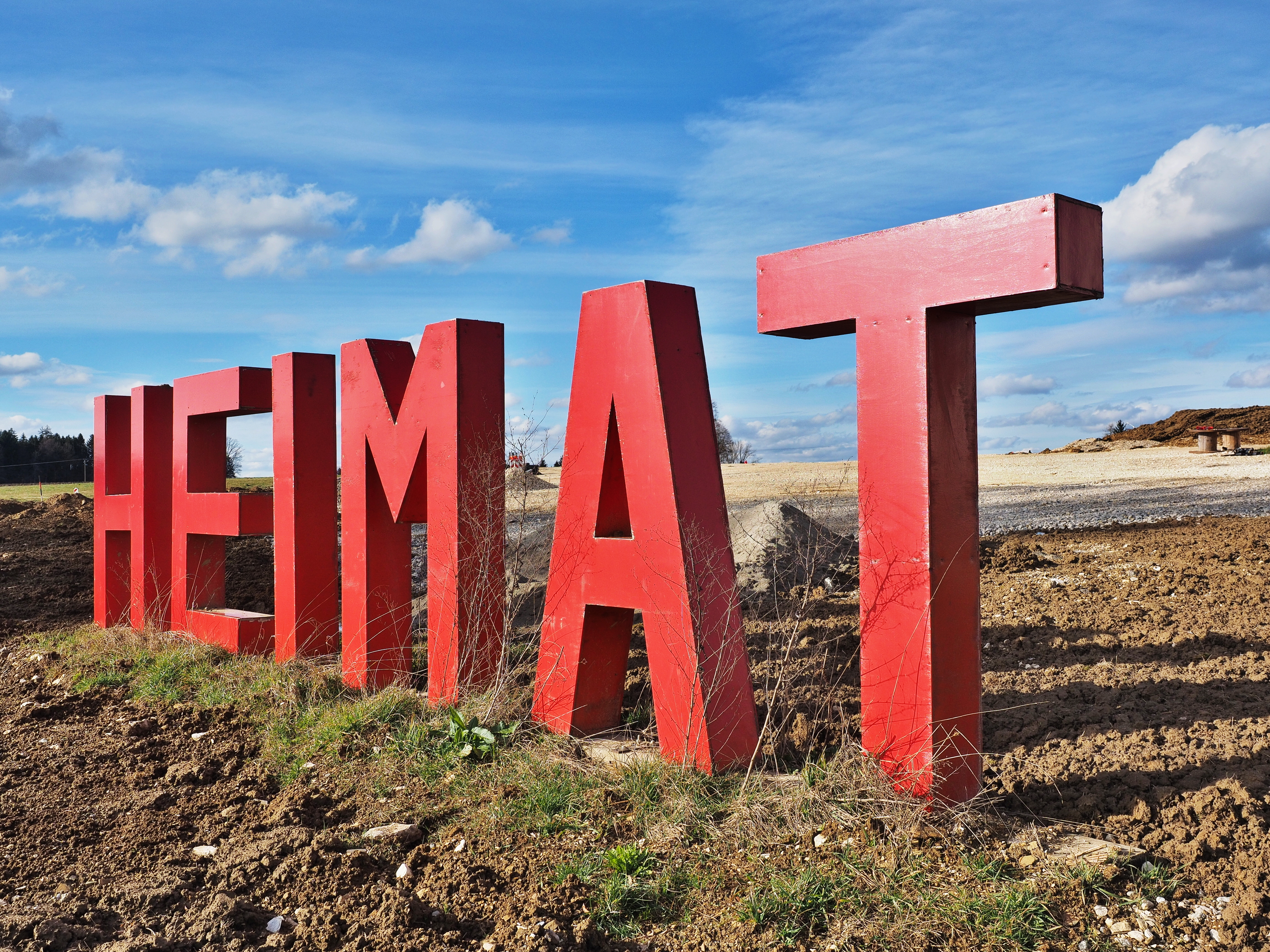
Thomas Jocher ©


Is human language a natural phenomenon, or does a radically artificial language invent the human through the rupture it introduces in a natural totality to which it is heterogeneous?  Both?  Neither?  What does twentieth century philosophy tell us?  --  In this second Special Issue of Konturen we attempt to shed some light, in an array of specific discursive contexts, on the limits between nature and culture (or artifice)—and on the place of language within this polarity—in connection with the disjunction between the analytic and continental philosophical traditions.   In one direction, the individual essays examine the nature/culture split from perspectives provided by both analytic and continental philosophers; in the other direction, they examine the divide between analytic and continental philosophy in relation to the nature/culture split different constructions of which often (explicitly or implicitly) organize—such is our hypothetical point of departure—the divide between these philosophical traditions.  -- Paul M. Livingston and Samuel C. Wheeler III debate the legacy of the naturalist and conventionalist versions of structuralism in W.V.O. Quine, Donald Davidson, and Martin Heidegger; Bonnie Mann gauges the stakes of historical constructivism and essentialism in the feminist ontology of Simone de Beauvoir; Catrin Misselhorn develops a philosophical and neuro-psychological explanation of empathy and its uncanny undoing in our most intimate personal relationships with androids; Martin Klebes explores Jacques Roubaud's elegiac inscription of David Lewis's 'modal realist' possible worlds theory; Lawrence Kramer traces Wittgenstein's displacement of Kantian aesthetics in his deliberations on musical expression; and Marcel Cobussen, Henrik Frisk, and Bart Weijland theorize musical improvisation in a multi-media essay-format. 


Contents


Jeffrey S. Librett (University of Oregon, German and Scandinavian)

            Introduction: Analytic Philosophy as a Post-structuralism?


The Limits of Structuralism:  Nature and Convention


Paul M. Livingston (University of New Mexico, Philosophy)

The Breath of Sense: Language, Structure, and the Paradox of Origin


            Debate:


Samuel C. Wheeler III (University of Connecticut, Philosophy)

Naturalist Structuralism's Aporia? Essentialism, Indeterminacy, and Nostalgia – a response to Paul Livingston


Paul M. Livingston

Response to Samuel Wheeler's 'Naturalist Structuralism's Aporia? Essentialism, Indeterminacy, and Nostalgia'


Samuel C. Wheeler III

Response to Livingston's Response: What's Missing?


Paul M. Livingston

Second Response to Wheeler


Bonnie Mann (University of Oregon, Philosophy)

            What Should Feminists Do About Nature?


Unnatural Nature and the Living Dead


Catrin Misselhorn (University of Tübingen, Philosophy)

            Empathy and Dyspathy with Androids:
            Philosophical, Fictional, and (Neuro)Psychological Perspectives


Martin Klebes (University of Oregon, German and Scandinavian)

            If Worlds Were Stories


Music Between Norm and Act


Lawrence Kramer (Fordham University, English and Music)

Running the Gamut: Music, the Aesthetic, and Wittgenstein's Ladder


Marcel Cobussen, Henrik Frisk, Bart Weijland

The Field of Musical Improvisation